The short version
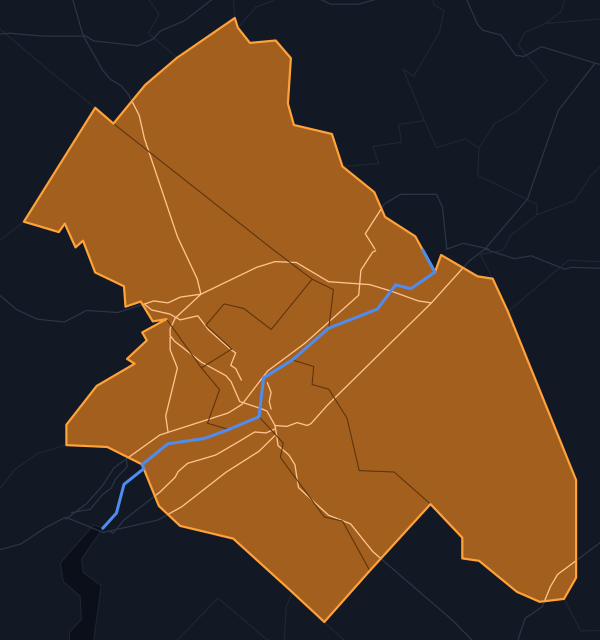
- We buy warehouse and industrial property in seven counties: Philadelphia, Bucks, Montgomery and Delaware in Pennsylvania, and Camden, Burlington and Gloucester in New Jersey.
- Off-market and pocket listings are welcome, and so are listed properties.
- We buy as-is, through our own company, in any size or condition. Proof of funds on request.
- Tell us at the start how you're involved. We handle compensation deal by deal and talk about it before you share the property's details.
- Advisors such as CPAs, wealth managers, business brokers and lenders can bring us the real estate side of a client's sale, retirement or estate.
What kinds of properties can you bring us?
Direct Warehouse Buyers buys warehouse and distribution buildings, flex and small-bay, manufacturing plants, truck terminals and yards, cold storage, and leased or multi-tenant industrial buildings in our seven counties. Any size, any condition, occupied or vacant, including properties with environmental history. Our what we buy page covers the property types one by one.
We also look at the buildings other buyers pass on. That includes low clear heights, few docks, multi-story layouts, deferred maintenance, tenants on below-market leases and sites with tanks or a possible ISRA filing. If a property has a problem, tell us what it is up front, and we'll tell you whether it changes anything.
Small buildings are in short supply here. In the third quarter of 2026, CBRE counted 5.0% vacancy in buildings under 50,000 square feet across its Philadelphia market, against 18.8% for buildings of 500,000 to 749,999 square feet.
How do I submit a property?
Use the form on this page, or call or text us. Start with the location, the building size and type, occupancy and any price guidance. If you can't share the address yet, give us the town and the rough size, and we'll say whether it's worth going further.
When you're ready to go deeper, these make the review faster:
- The address and the property identifier (OPA account number in Philadelphia, block and lot in New Jersey)
- Building and land size, clear height, docks and drive-in doors
- Leases or a rent roll, with expirations and options
- An offering memorandum or operating statement, if one exists
- Past environmental reports and any NJDEP or Pennsylvania DEP correspondence
- The seller's timing and anything that matters to them about the process
If your client wants a nondisclosure agreement before details are shared, we sign one.
Do you look at off-market and pocket listings?
Yes. Some owners would rather sell a warehouse or industrial building in Philadelphia or South Jersey without a public listing, and that suits us. We don't market or shop a property you bring us. We look at it, ask questions and tell you whether we want to make an offer.
How do you handle broker compensation?
Direct Warehouse Buyers handles broker compensation case by case. If you represent the seller, tell us when you first reach out, and we'll talk about compensation before you share the address or your client's details. Anything we agree on is put in writing.
We'd rather settle how you're involved at the start than discover a misunderstanding at the closing table. If another broker is involved, say so, and we'll talk it through before the details change hands.
What can your client expect from us?
Your client gets a written offer with the price, the terms, a proposed closing date and who pays which costs, along with:
- No commission or fees from us
- An as-is purchase
- A closing date your client chooses, within the required steps and the due diligence period in our offer
- A straight answer if we think the open market would serve them better
What that means by state and by building:
- New Jersey sellers: we file the state's bulk sale notice so it arrives at least 10 business days before closing, as the law requires of buyers of business property. When ISRA applies, we work through it with the seller's environmental professional (see how ISRA affects a sale).
- Pennsylvania sellers: transfer tax is handled the usual way for the property. In Philadelphia it's 4.578% combined, usually split evenly, according to the City of Philadelphia. We value any completed Act 2 work.
- Leased buildings: we buy with the tenants in place and coordinate with you and the owner before contacting any tenant.
What do advisors send you?
Advisors bring us the real estate side of a client's bigger decision. When a client is retiring, selling or closing a company, settling an estate or restructuring debt, the building can be a large part of the picture. A direct buyer gives the client a written number to plan around.
We welcome introductions from accountants, wealth managers, business brokers and M&A advisors, commercial lenders, and executors and trustees. If your client owns an industrial building in our area, an introduction is enough to start. We keep you informed as far as your client wants.
Our offer isn't an appraisal. If an estate needs a value for tax purposes, its tax advisor can say whether a formal appraisal is required.
For a client facing a loan maturity, a sale on a known date can be the cleaner option. Nationally, the Mortgage Bankers Association reports that $875 billion of commercial and multifamily mortgages is scheduled to mature in 2026. That's 17% of the $5.0 trillion outstanding.
Do you buy properties that are already listed?
Yes. If a property is listed, we make our offer through the listing broker and follow the process the seller has set.
Wholesalers with a warehouse under contract can read how we review wholesale deals.
Sources
- CBRE: Philadelphia Industrial Figures, Q3 2026 (CBRE's Philadelphia market includes South Jersey and Northern Delaware)
- NJ Division of Taxation: Bulk sale FAQ
- NJDEP: ISRA Remediation Certification
- City of Philadelphia: Realty transfer tax
- Mortgage Bankers Association: 17% of commercial and multifamily balances mature in 2026
